AEICF training
Forensic image analysis
Forensic image analysis can be defined as the science concerned with the scientific and technical skills used to analyse and investigate photographic evidence, interpreting and determining its origin and authorship, the relationship between an image and the camera used to take it, and the authenticity of the image itself, whether it has been manipulated and, consequently, its evidentiary value.
Introduction
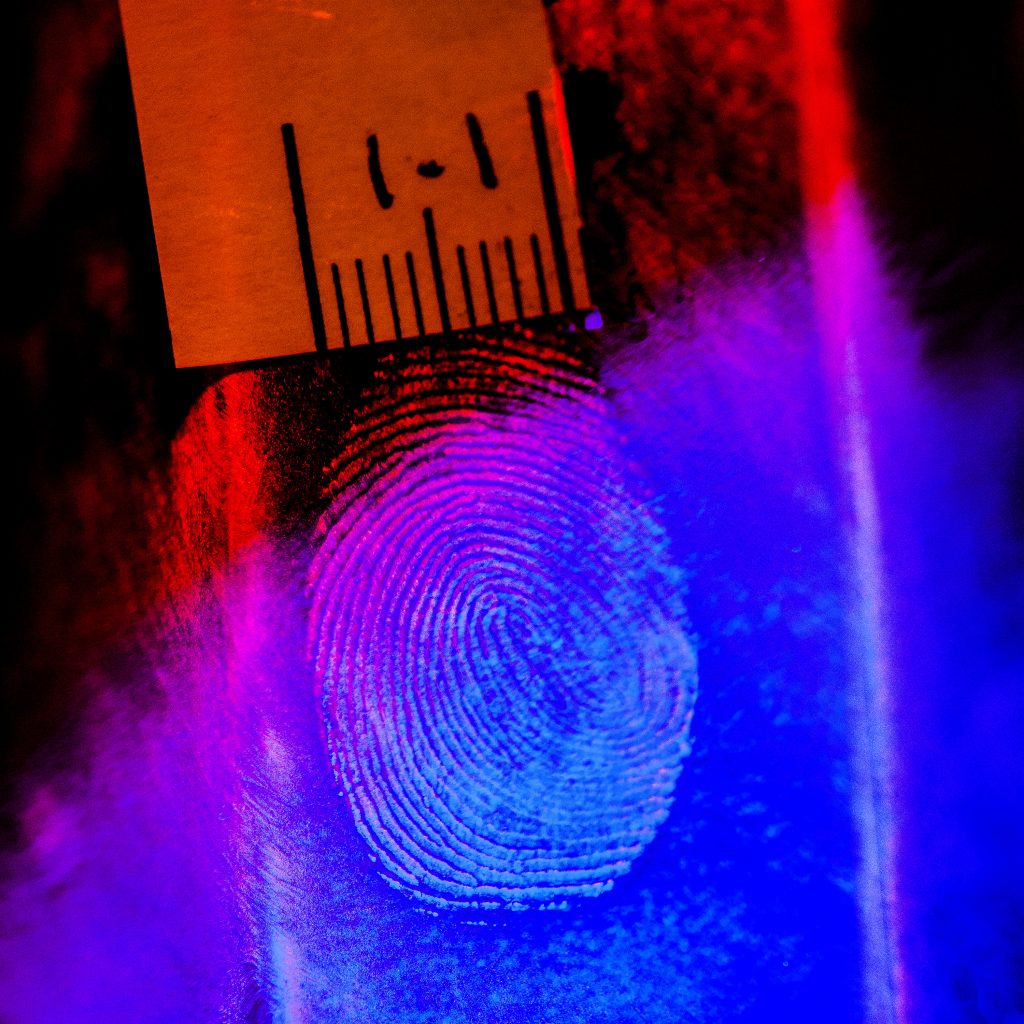
Our course provides the technical, legal and scientific knowledge needed to produce sound, well-founded expert assessments for courts of law, police investigations, corporate security or digital audits.
The general public has always viewed photography as an indisputable witness to what has happened. Its ability to automatically record a photographed scene in great detail is undeniable, and it is therefore understandable that this perception has become deeply embedded in the collective consciousness, with few people questioning photographs as definitive evidence of what happened. But now more than ever, amid the information revolution and the widespread availability of image editing tools, we must recognise that photography is not simply a technique for producing images.
It is a powerful medium of communication that has shaped much of the visual culture of the
contemporary world for almost two centuries and, since its inception, has been shown to be susceptible
to manipulation, especially with new digital processing techniques. In addition, each individual can construct multiple interpretations of the same image. The anthropologist Allan Sekula says, “Human beings neither feel nor think alike when looking at the same photograph.” Analysing a photographic image in a forensic investigation requires a scientific methodology for its creation, editing and analysis, recognising its importance as a tool for discovering the truth and administering justice.
What is forensic image analysis?
We can define forensic image analysis as the science encompassing the scientific and technical skills used to analyze and investigate photographic evidence (in both digital and photochemical form), interpreting and determining its origin and authorship, the relationship between an image and the camera used to take it, as well as the authenticity of the image itself, whether it has been manipulated and, therefore, its evidentiary value.
Why train in forensic image analysis?
Forensic image analysis is now one of the most sought-after disciplines in judicial expert work and technological investigations. With the proliferation of deepfakes, digital manipulation, document fraud and alterations to photographs and videos, professionals capable of verifying the authenticity, integrity and origin of images are essential.
Our course provides the technical, legal and scientific knowledge needed to produce robust, well-founded expert reports for courts, police investigations, corporate security or digital audits.
Objectives
- Understand the principles of digital imaging in forensic applications.
- Study the properties of digital images as an analytical tool.
- Learn the legal, technical and scientific principles of forensic image analysis.
- Practice forensic analysis techniques and the stages involved in applying them.
- Learn and practice the main techniques for extracting and analyzing data from images for use in forensic investigations.
- Develop expertise in the latest practical applications of image analysis to case resolution in forensic science and criminalistics.
Who it is for
- Judicial expert witnesses.
- Criminalistics specialists and forensic investigators.
- Members of law enforcement agencies.
- Lawyers specializing in technology and evidence law.
- Digital forensics professionals.
- Criminalistics laboratory technicians.
- Researchers in forensic science, document examination and technology-related expert analysis.
- Photography and imaging experts.
Methodology
With a total of 280 hours The course will cover the theoretical and practical aspects of forensic image analysis in general and, more specifically, basic techniques commonly used in research and artificial intelligence, such as Python or R, and their practical applications in forensic work, including facial recognition, ballistic identification, forensic thermography and image-based determination of time of death.
Classes and tutorials will be recorded and made available to all students.
- Training online at your own pace, with a personal tutor.
- Video lessons, notes, exercises and downloadable quizzes.
- Supervised practical exercises via videoconference and screen sharing.
- Exclusive access to the AEICF collection of scientific publications.
Depending on the nature of each topic, students will be able to download:
- the slides used in the theoretical presentations,
- the files and images used during the course
- and reference materials.
The course consists of five parts:
- Introduction to Forensic Image Analysis.
- Technological Principles of Expert Practice
- Forensic Image Analysis
- Key Techniques for Extracting and Analysing Data from Images
- Specific Applications of Image Analysis in Forensic Science & Criminalistics
Entry requirements
- Studies related to imaging.
- More than 2 years of demonstrable professional experience related to imaging and digital creation.
Teaching team
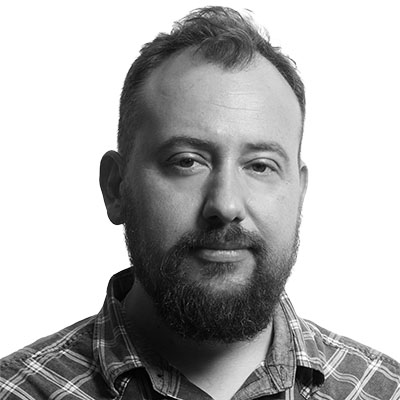
Alejandro Maestre Gasteazi
Course director and instructor
Forensic image analyst, scientific imaging specialist and certified court expert with over twenty years of professional experience at the intersection of scientific photography, digital forensic expertise, information technology law and technology-driven legal investigation. President of the Asociación Española de Imagen Científica y Forense (AEICF) and Chief Innovation Officer at Probatia Forensics, an AI-based digital evidence platform.
Meet Alejandro Maestre Gasteazi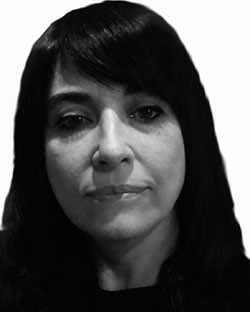
Isabel Fernández Corcobado
Instructor
PhD in Anthropology and Forensic Microbiology. Forensic expert specializing in Forensic Anthropology, Predictive Forensic Microbiology and Infrared Thermography.
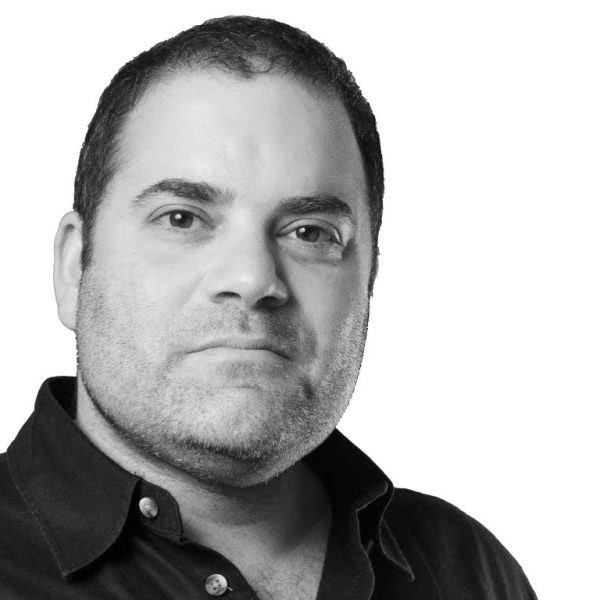
Iván Rodriguez
Instructor
Advanced technician in Graphic Arts, color management technician trained at the Instituto Tecnológico y Gráfico Tajamar, associate lecturer at UNED on the University Expert Program in Graphic Arts and Screen Printing (third edition), with a master's degree in Forensic Document and Handwriting Examination.
Juan Ramón Peralta Rincón
Instructor
Biologist trained at the Universidad de Sevilla, with a doctorate in evolutionary biology. Expert in scientific photography and imaging. He works in scientific research and outreach, and in forensic image analysis as a forensic expert.
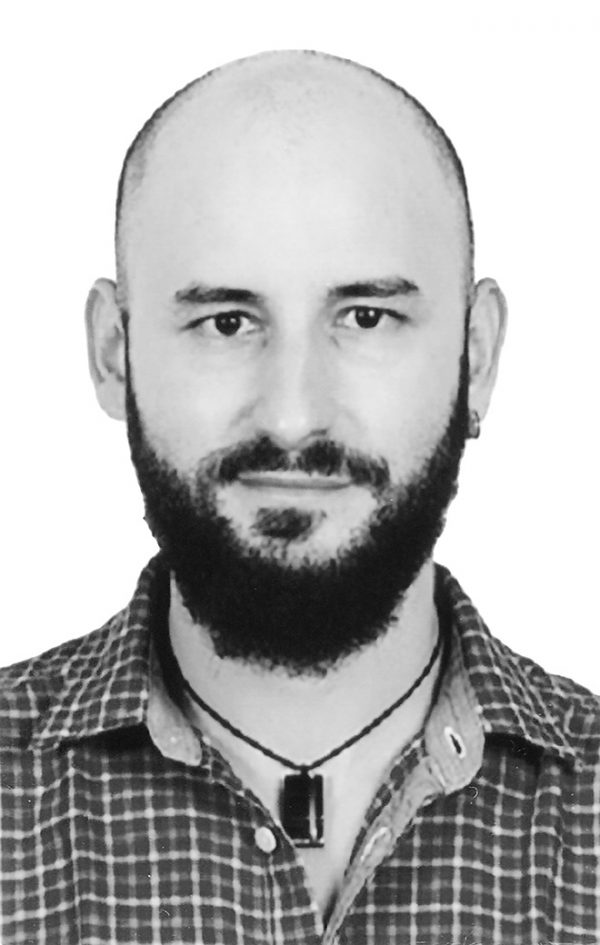
Miguel Perez Villoria
Instructor
Graduate in criminology and private investigator. He is an expert in forensic handwriting examination, forensic document analysis and forensic linguistics.
Pricing and discounts
Tax, billing and certification information
Standard price: 645,00 €
Member price: 495,00 €
This course is exempt from VAT, pursuant to Article 20.Uno.9º of Law 37/1992 on Value Added Tax (VAT), which provides an exemption for professional training and retraining aimed at developing the skills needed to practice a profession, when provided by professionals or nonprofit organizations.
The training is intended for experts, forensic technicians, researchers and members of law enforcement agencies, and meets the requirements for classification as continuing professional training.
The Asociación Española de Imagen Científica y Forense (AEICF) acts as the intermediary and organizer of the training program, without involvement in the financial management or billing of the course. Billing is the responsibility of the instructors and coordinators, who issue the corresponding invoices exempt from VAT for the training services provided.
Upon completing the course and meeting the established assessment criteria, participants will receive an official certificate of achievement, issued and signed by the AEICF, as the entity responsible for organizing and certifying the training.